
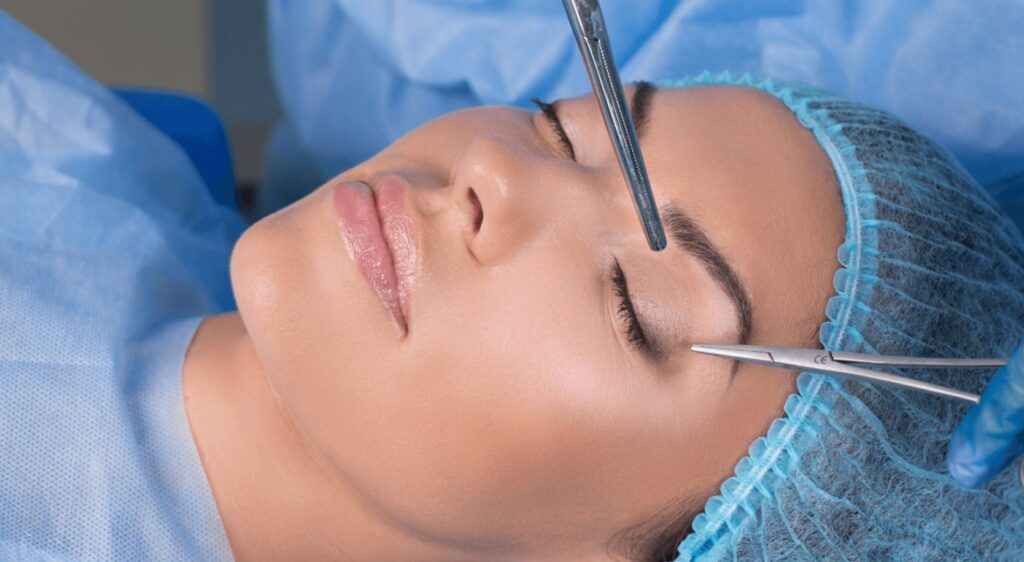

The appearance of the eyes can change noticeably as the skin and underlying tissues age. Loose skin, puffiness, and changes in the eyelid contour may make the face look more tired even when a person feels well rested. Blepharoplasty is a surgical procedure that focuses on selected changes around the upper and lower eyelids. For people exploring professional aesthetic care, Coolaser Clinic offers information and cosmetic treatment options designed around individual skin and appearance concerns.
Table of Contents
When Eyelid Changes Become Noticeable
The aging process does not affect everyone in the same way. Some people notice changes around the eyes relatively early, while others maintain a youthful-looking eye area for much longer.
Several factors can influence the appearance of the eyelids, including genetics, skin elasticity, sun exposure, and natural changes in facial tissues.
Common changes may include:
- Extra skin on the upper eyelids
- Puffiness beneath the eyes
- More noticeable under-eye bags
- Fine lines around the eyes
- Changes in the natural eyelid crease
- A heavier appearance around the upper eyelids
These concerns can develop gradually, which means many people become aware of them when comparing older photographs with their current appearance.
What Is Blepharoplasty?
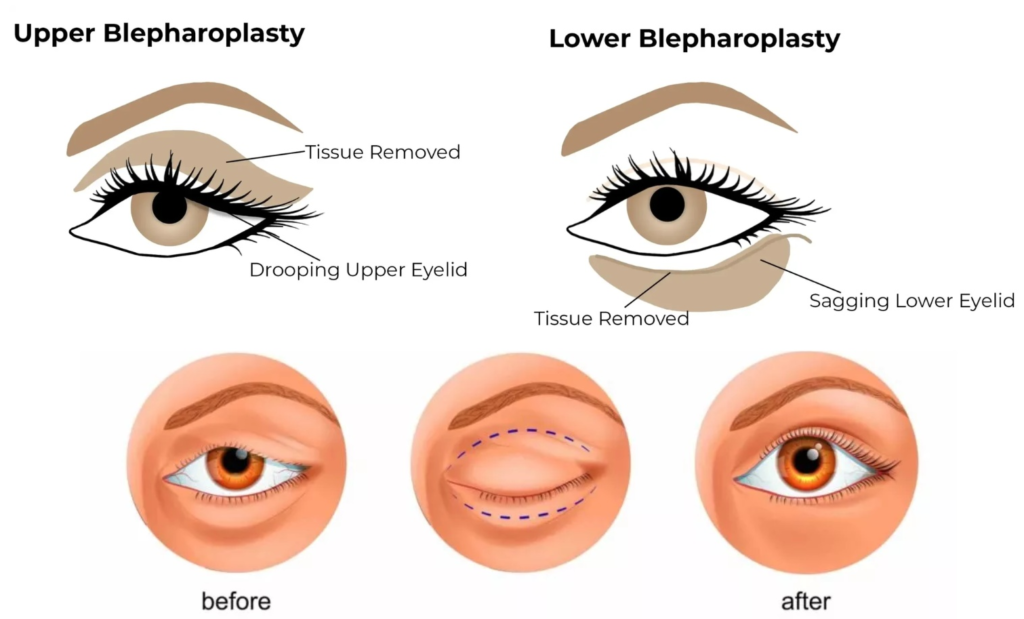
Blepharoplasty is eyelid surgery performed to modify excess skin and other tissues around the eyes. It can involve the upper eyelids, lower eyelids, or both.
The specific surgical plan depends on the patient’s anatomy and the changes they want to address. A surgeon may remove a carefully selected amount of excess skin or work with fatty tissue to improve the contour of the eyelid area.
The procedure is not intended to make every patient’s eyes look the same. Individual facial structure plays an important role in determining the appropriate technique.
Upper Eyelid Concerns
The upper eyelids can develop excess skin that creates a heavier or more folded appearance. In some cases, the skin may extend downward enough to interfere with peripheral vision. For people considering blepharoplasty, these changes are often among the main concerns discussed during a professional consultation.
Upper eyelid surgery typically involves an incision positioned within the natural crease. This placement can help make the resulting scar less noticeable as healing progresses.
The amount of tissue addressed depends on the individual. Conservative planning is important because the eyelids need enough tissue to function normally and maintain a natural appearance.
Lower Eyelid Concerns
Lower eyelid changes often involve puffiness or bags beneath the eyes. These changes can be associated with the distribution of fatty tissue and the gradual weakening of supporting structures. For people considering blepharoplasty, addressing these concerns can be an important part of the consultation.
Lower eyelid surgery can use different techniques depending on the patient’s anatomy. In selected cases, the procedure may focus on repositioning or removing tissue, while other patients may require attention to excess skin.
A detailed examination is therefore essential before deciding which approach is appropriate and whether blepharoplasty is the right option for the individual.
Why Individual Assessment Matters
There is no single definition of an ideal eyelid. Facial proportions, eye shape, brow position, skin quality, and tissue distribution all vary.
For this reason, a professional consultation should come before making decisions about surgery. During the assessment, the specialist can examine the eyelids and discuss the concerns that matter most to the patient.
The consultation can also help distinguish between structural concerns and issues that may be better addressed with non-surgical skin treatments.
Preparing for the Procedure
Preparation depends on the individual’s health and the planned procedure. Patients should provide their medical professional with accurate information about medications, supplements, allergies, previous surgeries, and existing eye conditions.
It is also useful to discuss daily routines and expectations before treatment.
Questions may include:
- How long should recovery take?
- When can normal activities resume?
- What type of swelling is expected?
- How should the eye area be cared for?
- Where will incisions be placed?
- What results are realistic?
- What potential complications should be considered?
Knowing what to expect can make the overall treatment experience easier to manage.
What Happens During Recovery?
The recovery period differs from one patient to another. Swelling and bruising are common after eyelid surgery and can be more noticeable during the first part of recovery.
A specialist may provide instructions about rest, physical activity, sleeping position, eye care, and protecting the treated area.
The appearance of the eyelids can continue to change as swelling decreases. Because healing takes time, patients should follow their aftercare instructions and avoid evaluating the final result too early.
If unusual or concerning symptoms develop, patients should contact their medical professional promptly.
How Long Can Results Last?
The changes created by eyelid surgery can be long-lasting, but they do not stop the natural aging process.
Skin continues to lose elasticity over time, and facial tissues can change with age. Lifestyle factors, genetics, and sun exposure may also influence the appearance of the eye area in the years following treatment.
Maintaining good skin care and protecting the face from excessive ultraviolet exposure can remain important parts of long-term aesthetic care.
Surgical and Non-Surgical Options
Blepharoplasty is not the only treatment available for the eye area. Depending on the concern, non-surgical procedures may be used to improve skin texture, pigmentation, fine lines, or other surface-level issues.
However, these treatments do not perform the same function as eyelid surgery. Significant excess skin or certain structural changes may require a surgical approach.
A professional assessment can help determine which type of treatment is relevant to a person’s specific concern.
Choosing a Thoughtful Approach to Aesthetic Care
Cosmetic procedures should be considered based on personal goals rather than trends. Someone may be primarily concerned with upper eyelid skin, while another person may want to address under-eye puffiness or broader facial aging.
Understanding the difference between these concerns can make it easier to discuss treatment options with a qualified professional.
Realistic expectations are equally important. A successful cosmetic treatment should be approached as an opportunity to address specific concerns while respecting the individual’s natural facial structure.
Final Thoughts
Blepharoplasty is an eyelid surgery that can address selected changes affecting the upper and lower eyelids. Excess skin, certain forms of puffiness, and age-related changes in eyelid contours are among the concerns that may lead people to explore the procedure.
Anyone considering eyelid surgery should begin with a professional consultation and learn about the recommended technique, recovery process, possible risks, and realistic outcomes. Understanding the available options is an important part of making aesthetic care a thoughtful addition to a personal self-care routine.
For more articles about skincare, beauty, and aesthetic treatments, you can find them here.

