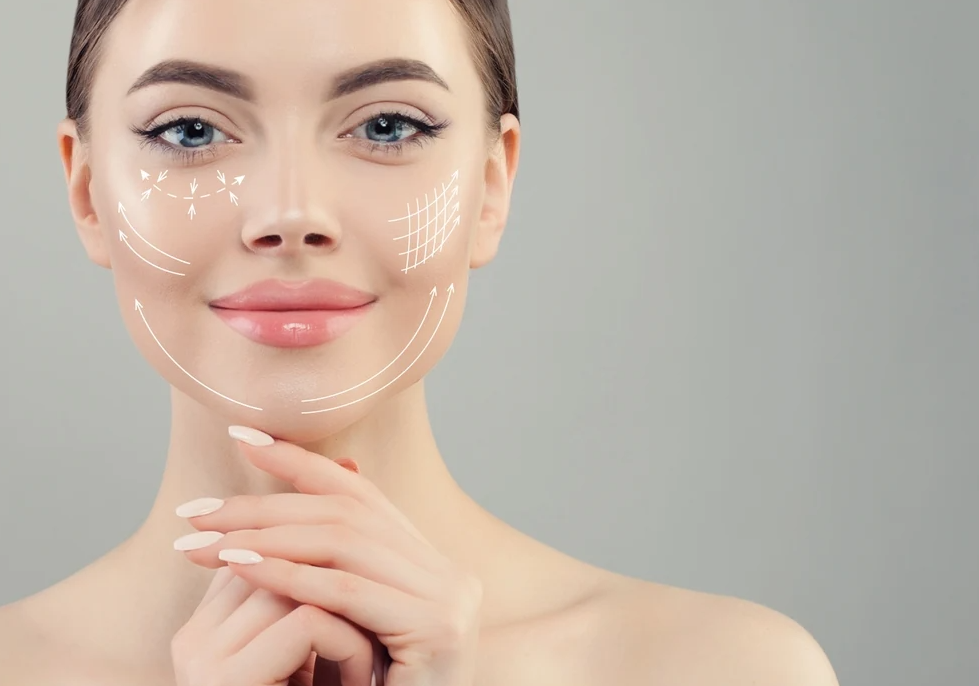

Facial features rarely change all at once. Over the years, the cheeks may appear less full, the temples can become more hollow, and familiar contours may gradually lose some definition. These changes often encourage people to explore aesthetic treatments that address volume rather than focusing exclusively on the skin’s surface. For readers researching their options, Coolaser Clinic offers information about facial fat grafting and its role in facial rejuvenation. Understanding the procedure requires looking beyond its potential benefits to consider individual suitability, recovery, and realistic expectations.
Table of Contents
Facial Volume and the Appearance of Age
Facial volume contributes to the transitions between different features. Fullness in the cheeks, for example, influences the relationship between the lower eyelids and the middle of the face. Changes around the temples can also affect the overall proportions of the upper face.
Several factors contribute to these changes. Aging affects the skin and underlying tissues, while genetics influence how facial fat is distributed. Weight fluctuations and individual anatomy can further shape a person’s appearance.
Not every change requires treatment. However, people who feel that localized volume loss affects their appearance may want to understand which options are available. The first step is identifying the underlying concern rather than assuming that every visible sign of aging has the same cause.
The Principles Behind Facial Fat Grafting
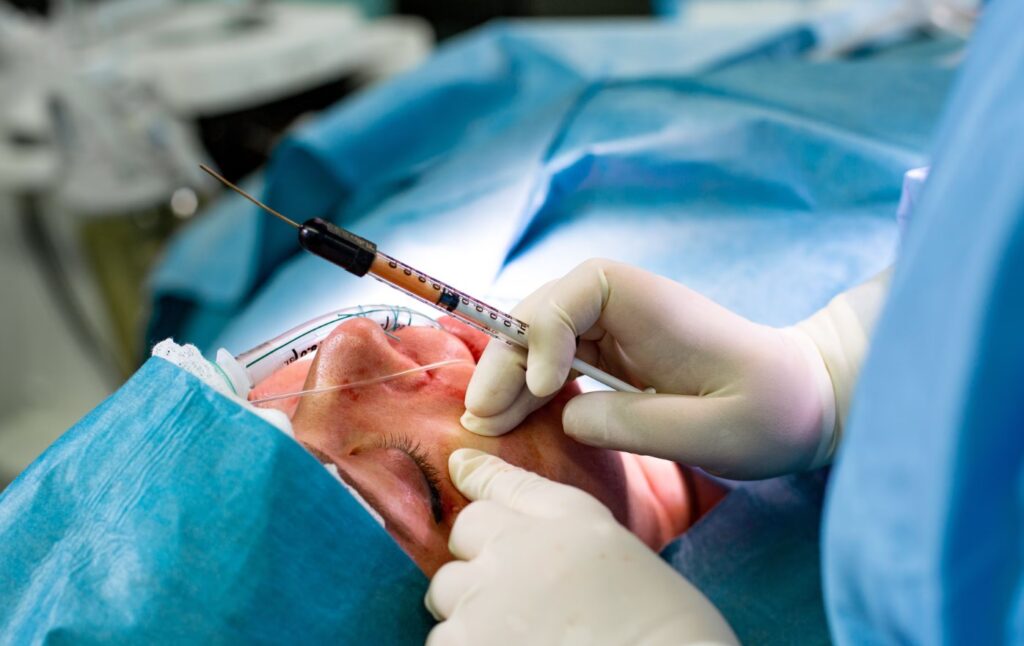
Facial fat grafting uses fat collected from one area of the patient’s body and transfers it to selected facial regions. The procedure typically involves harvesting the fat, processing it for transfer, and placing it carefully in the areas where additional volume is desired.
A practitioner may consider this approach for the cheeks, temples, and certain facial hollows. The treatment plan depends on facial anatomy, the availability of donor fat, medical history, and the patient’s goals.
Because the transferred material comes from the patient’s own body, the procedure differs from treatments that use manufactured injectable fillers. Nevertheless, fat transfer is a surgical procedure, not a risk-free alternative. Careful evaluation and appropriate medical expertise remain essential.
The aim is generally to improve selected contours while preserving the person’s recognizable features. Adding more volume does not automatically produce a better result, so planning must account for the proportions of the entire face.
Why Individual Assessment Matters
Two people with similar concerns may need different treatment plans. One person may have localized hollows, while another may have changes in skin elasticity or deeper facial structures that fat transfer alone cannot address.
A medical consultation helps distinguish these issues. The practitioner can assess the target areas, discuss medical history, and determine whether the expected benefits justify the risks.
Some people may be better suited to another treatment or may decide that no procedure is necessary. For example, concerns about pigmentation or surface texture require a different approach from concerns about lost volume.
A useful consultation should include an honest discussion of limitations. Patients should understand what the procedure may realistically improve and which features are unlikely to change significantly.
What Happens After the Procedure?
Recovery depends on the extent of treatment, the donor area, and individual healing. Swelling, bruising, tenderness, and temporary unevenness can occur during the initial recovery period.
The face may look fuller immediately after treatment, partly because of swelling. As healing progresses, this appearance changes, and some of the transferred fat is naturally reabsorbed by the body.
For this reason, early photographs do not necessarily represent the final outcome. Patients should attend follow-up appointments and follow their surgeon’s instructions regarding wound care, exercise, sleeping positions, and other recovery considerations.
It is also important to ask when normal activities can resume. Recovery schedules vary, so advice should be based on the actual procedure rather than a general timeline found online.
Severe pain, changes in skin color, vision disturbances, or rapidly worsening swelling require urgent medical assessment. Serious complications are uncommon but can occur.
Understanding Results and Potential Risks
The long-term outcome of facial fat grafting depends partly on how much transferred fat survives. This amount varies between patients, and no practitioner can guarantee an exact degree of volume retention.
Potential complications include infection, bleeding, asymmetry, irregular contours, fat necrosis, and changes in sensation. Rare but serious vascular complications can also occur. Patients should ask their practitioner to explain these risks and describe how complications are managed.
Some people may require additional treatment if the retained volume is less than expected. Others may find that the result differs from their original goals. Understanding these possibilities before surgery can help prevent unrealistic expectations.
Changes in body weight may also influence facial appearance over time. Maintaining a relatively stable weight, when medically appropriate, may help make long-term changes more predictable, although it cannot guarantee a particular result.
Choosing a Treatment With Confidence
A thoughtful decision starts with research and a detailed medical consultation. Patients should verify a practitioner’s qualifications, ask about experience with facial fat transfer, and understand where and how the procedure will be performed.
It is helpful to discuss the desired outcome in practical terms. Rather than asking for a completely different appearance, patients can identify the specific areas they would like assessed and explain what concerns them about their current contours.
Questions about anesthesia, recovery, follow-up care, possible additional procedures, and total costs should also be addressed before making a commitment.
The best approach is one that considers the person’s anatomy, priorities, and health while explaining both the potential benefits and the limitations.
Final Thoughts
Facial fat grafting may help suitable candidates address localized facial volume loss using their own tissue. However, outcomes vary, and the procedure requires careful planning, realistic expectations, and an understanding of possible complications.
Learning about the process before choosing treatment can help people make decisions that fit their individual needs. A qualified medical professional can assess whether fat transfer is appropriate and explain the alternatives available.
For more articles about skincare, beauty, and aesthetic treatments, you can find them here.