
The search for effective ways to maintain a fresh and healthy-looking complexion has encouraged interest in a new generation of aesthetic procedures. Rather than focusing exclusively on concealing visible signs of aging, many approaches now explore how the skin responds to different treatments. Facial PRP Therapy is one example, using platelet-rich plasma prepared from a patient’s own blood. People interested in this procedure can learn more through Coolaser Clinic, which provides information about plasma-based facial treatments.
Table of Contents
The Changing Meaning of Facial Rejuvenation
Facial rejuvenation once focused heavily on reducing wrinkles and creating visibly younger-looking features. Today, many patients have a broader understanding of what makes skin appear healthy.
They may pay attention to texture, tone, elasticity, and the overall balance of facial features. Some prefer subtle improvements rather than dramatic changes, while others want to address specific concerns that make their complexion appear tired.
This shift has encouraged interest in treatments with different mechanisms of action. PRP is part of this conversation because it uses biological components obtained from the patient’s own blood.
What Makes Platelet-Rich Plasma Interesting?
Blood contains several components, including red blood cells, white blood cells, platelets, and plasma. Platelets help with clotting and also release signaling proteins involved in the body’s response to tissue injury. These properties explain the scientific interest in Facial PRP Therapy as an approach to modern skin rejuvenation.
To prepare PRP, a healthcare professional collects a small blood sample and processes it using a centrifuge. This separates the components and concentrates platelets within the plasma. The prepared material can then be used during Facial PRP Therapy, depending on the selected clinical protocol.
Researchers are interested in the growth factors released by platelets and their possible influence on tissue repair and skin-related processes. However, biological activity does not automatically translate into a predictable cosmetic improvement. Research findings remain variable, and different preparation methods can produce different outcomes.
Skin Concerns That Deserve Individual Attention
Not every visible change on the face has the same underlying cause. Fine lines may develop alongside changes in elasticity, while uneven texture can be influenced by sun exposure, previous acne, or natural aging.
During an aesthetic consultation, a practitioner may evaluate several characteristics:
- Skin texture and visible irregularities
- Fine lines and early signs of aging
- Changes in firmness and elasticity
- Uneven tone and sun-related damage
- The condition of delicate facial areas
- Overall skin health and medical history
This assessment helps establish whether PRP is worth considering. It also helps identify concerns that may require another treatment or a combination of approaches.
How the Procedure Fits Into a Treatment Plan
Facial PRP Therapy is generally performed after a professional evaluation. Once the patient is considered suitable, blood is collected and processed to prepare the platelet-rich plasma.
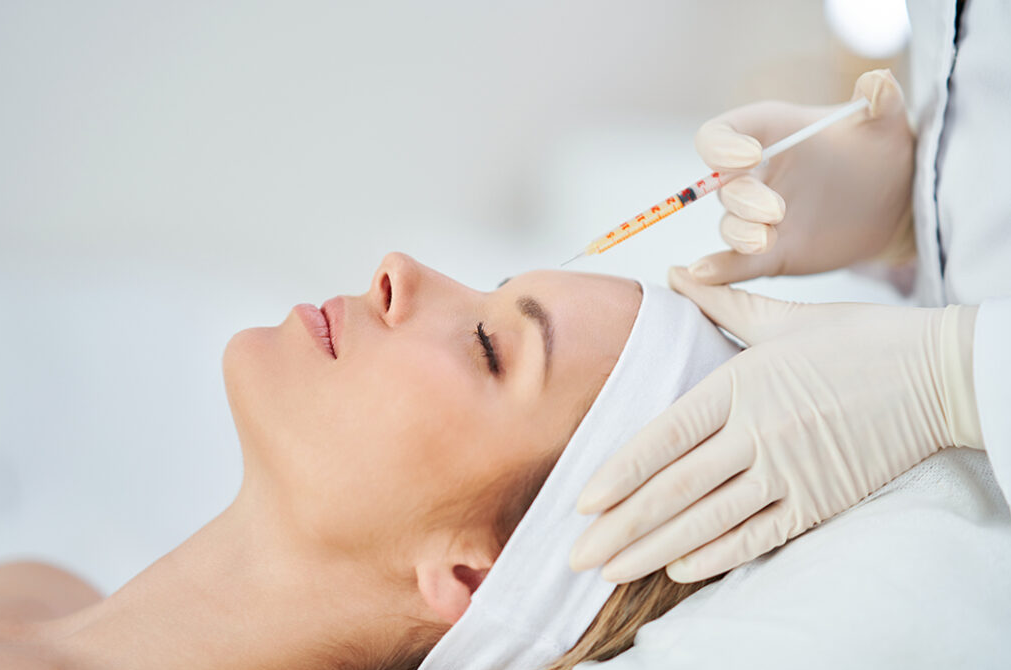
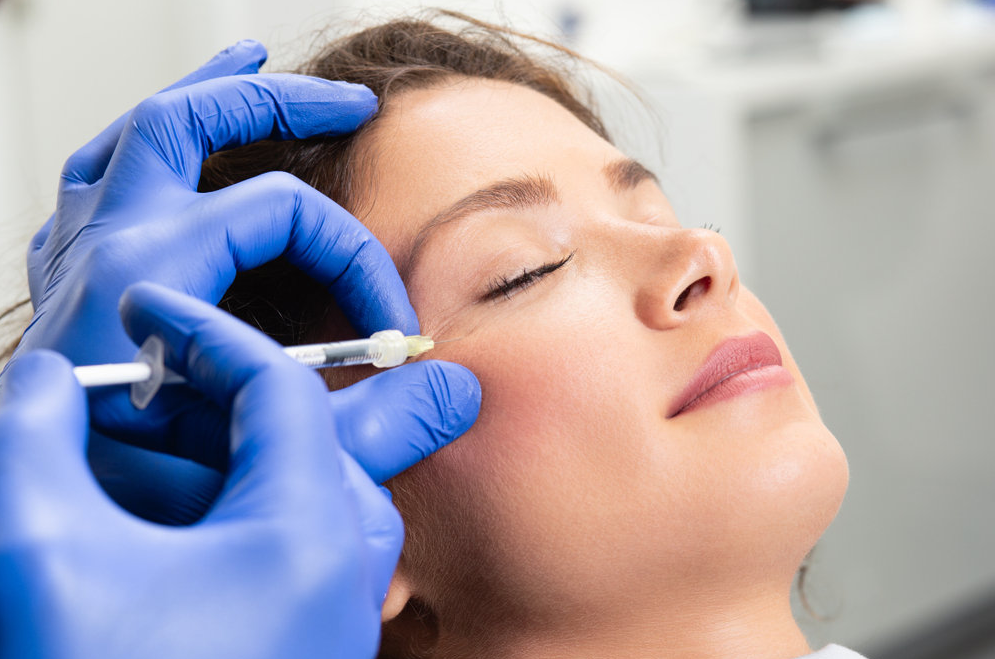
The practitioner then administers the preparation using the selected technique. Depending on the protocol, this may involve injections into particular facial areas.
Treatment plans can differ considerably. The number of sessions, intervals, and techniques should reflect the patient’s needs and the practitioner’s clinical judgment.
PRP is not a conventional filler. It does not provide the same immediate structural volume as products designed to restore facial contours. Understanding this difference helps patients choose procedures according to their actual goals.
Why Results Should Be Evaluated Carefully
Aesthetic treatment decisions often involve expectations about visible changes. With PRP, it is especially important to distinguish between promising research and established clinical outcomes.
Some studies have reported improvements in skin texture, fine lines, or patient satisfaction. Other research has produced less consistent findings. Differences in sample size, preparation techniques, and treatment schedules make direct comparisons difficult.
Patients should therefore avoid assuming that a particular result is guaranteed. A practitioner should explain what improvements may be possible, what remains uncertain, and how progress will be assessed.
Photographs taken under consistent lighting may help document changes over time, but they should not replace a clinical evaluation.
Safety Is Part of Every Rejuvenation Decision
Because PRP comes from the patient’s own blood, some people assume that the procedure carries no significant risks. This is not correct.
Blood collection and injections can cause temporary discomfort, bruising, redness, or swelling. Infection and other complications are also possible, particularly if preparation or administration is not performed properly.
A consultation should include a review of medical history, current medications, relevant health conditions, and possible contraindications. Patients should also understand the hygiene standards and preparation methods used by the provider.
Choosing a qualified professional is an essential part of making an informed decision.
Supporting Skin Health Beyond the Clinic
Aesthetic procedures are only one element of long-term skin care. Daily habits continue to influence the appearance and condition of the complexion.
Consistent sun protection is particularly important because ultraviolet exposure contributes to premature skin aging. Gentle cleansing, suitable moisturizers, adequate sleep, and avoiding smoking can also support general skin health.
After a procedure, patients should follow individualized aftercare recommendations. Introducing new active skincare products too soon or ignoring recovery instructions may cause unnecessary irritation.
A thoughtful routine helps maintain a consistent approach to skin care without relying on procedures alone.
Final Thoughts
Modern facial rejuvenation is becoming more focused on individual needs, skin quality, and informed treatment choices. Facial PRP Therapy offers one approach that uses platelet-rich plasma and continues to attract scientific interest.
Its potential should be considered alongside the limitations of current research and the possibility of side effects. A careful consultation, realistic expectations, and professional treatment are essential for anyone exploring this option.
For more articles about skincare, beauty, and aesthetic treatments, you can find them here.